Yesterday, I posted a blog from "DaShark" in Fiji on whether shark diving operators should be regulated or not. You can read it here.
The blog is based on a paper by Richards, K., et al. Sharks and people: Insight into the global practices of tourism operators and their attitudes to Sharkbehaviour. Mar. Pollut. Bull. (2015)
The author has some interesting insights into the shark diving industry, but overall, I'm not impressed. The authors bias against shark dives featuring provisioning, is made clear from the outset by the following statement.
"If those who report using bait are added to those who admitted intentional feeding then 42% of operators used shark attractant.” The term “admitted” is implying something negative, like "Ah, gotcha! You admitted to feeding sharks!"
They are basing their conclusions on statements like Illegal provisioning of sharks by a diving company was one theory put forward
to explain a cluster of shark attacks near the Egyptian resort of
Sharm-el-Sheikh in 2010 This is the unproven hypothesis (a scientific theory is something that has been proven) of a guy who can’t tell a shark from a dolphin and should be weighed heavily in any respectable paper. (sharkasm intended)
They are stating correctly, that shark diving is increasing and "Due to this, questions about the effects of shark tourism and associated activities such as SCUBA diving and provisioning on shark behaviour should be asked in order to establish effective management for the practise and to preemptively mitigate risk of unwittingly increasing shark attacks on humans. ... Oh, I see, since we don’t know the effect of that increase, we should regulate something we don’t understand. Hmm!
Here is another gem from the paper, showing their "scientific" reasoning "Whilst our research corroborates previous studies highlighting that the majority of shark encounters pose very little risk to people, the fact that a small minority of shark operators did report concerns about shark behaviour towards clients, and that threat displays such as bumping people and swimming erratically were reported, suggests that people should never become complacent." ..... Dang, did they have to go to college to come up with this. I’m so glad they told me we should never become complacent. Who knew!?!? (sharkasm intended) Shark Diver has always advocated "Safe and Sane" shark diving, because we know that sharks are neither mindless killers, nor harmless pets.
I think by now it is pretty clear the authors have an agenda. But hey, it gets better Results of our survey indicate that shark operators take responsbility for good practise seriously, given that 93% of 43 shark opera- tors said they followed a code of conduct either voluntarily or because of national guidelines, although the quality and detail of voluntary codes of conduct provided varied widely. Our results however cannot differentiate between those who do this out of concern for sharks or for fear of liability should a shark harm a customer. WTF? So we dive operators take safety serious, but they don't know if we do it to keep our divers safe or because we don't want to get sued? Hmmmm, let me think about this. How about we keep em safe because we care and when they don't get hurt, we don't get sued!?!? Besides, since they are not sure what our motivation for our safety consciousness is, the want to regulate it. Well that will clear up any confusion about our motivation.
For most of their "conclusions" they state the source. Their interpretation of the source is not very logical, to say the least, and is primarily twisted to support their view. As if frustrated by the fact not supporting their hypothesis, they start to just make stuff up. Like this However, recent research has indicated negative behavioural impacts arising from shark diving or snorkelling and inadequacies in management have been highlighted. Did I miss the study they quoted???? Anyone? .. anyone? ....Bueller!!! I guess it’s just another PIDOOMA estimate (Pulled it directily out of my #$$)
The same goes for this In general, shark operators did acknowledge the potential for accidents to happen, but most defended their own practices even when scientific evidence contradicted their view, Of course, no “scientific" data is provided, or a study cited. As a matter of fact and I quote "DaShark"
There are some other statements in that paper that simply don't make sense and clearly show their bias. Several respondents said that individual shark’s behaviour towards people differed, for example, if divers approached too closely, some sharks quickly moved away while others were bolder, corroborating research that shows shark species and individuals show varied responses to provisioning and that behavioural responses can change over time How is this corroborating anything? What has the individual behavior of a shark got to do with provisioning? Sharks have different “personalities”, we've known that for a long time. It has nothing to do with provisioning.
Another stellar "scientific" conclusion is this. Links are frequently made between shark baiting/provisioning and attacks, and while these remain speculative, a precautionary approach is warranted that would be best delivered through regulation. Yep, I couldn’t agree more, there is some speculation, so we just have to regulate. Everyone know, speculation requires regulation. (can you detect the sharkasm?)
This is yet another one of their conclusions. While our questionnaire indicates that the majority of shark encounters and shark tourism currently pose very little risk to people, more field research is required on shark behavioural responses to tourism practices to help assess best practices for sharks, people and environment. So they are saying there is very little risk and more research is needed, but in the meantime, Regulate! Regulate!
I could go on and on, but it doesn't get any better.
Overall, this paper is something I would expect from a grade school student, not a scientist. Just like a politician, the authors of this paper are stating some facts and then come to a conclusion that is completely unsupported by those facts. Not surprising, since their bias was clear from the outset. John Stewart of the "Daily Show" would have a field day with this, if only a real politician had authored it.
Cheers,
Martin Graf
CEO Shark Diver
About Shark Diver.
As a global leader in commercial shark diving and conservation initiatives Shark Diver has spent the past decade engaged for sharks around the world. Our blog highlights all aspects of both of these dynamic and shifting worlds. You can reach us directly at staff@sharkdiver.com.
Monday, January 12, 2015
Sunday, January 11, 2015
Do Shark Diving Operators need to be regulated?
![]() |
| source |
It's a great read and addresses the issues facing the shark diving industry brilliantly. DaShark is of course the very guy who was instrumental in establishing the Shark Reef National Park in Fiji! So he knows a thing or two about operating a shark dive. Check out his operation "The best shark dive in the world!"
Thorny thorny!
If you're a Shark diving operator, you need to read this!
And I cite.
5. Conclusions
In recent years there has been increasing global interest in shark-encounter tourism and the potential economic incentive and awareness raising benefits this industry may bring to shark conservation. However, recent research has indicated negative behavioural impacts arising from shark diving or snorkelling and inadequacies in management have been highlighted.
In this global study of shark tourism practices we found that in the majority of cases surveyed, shark operators apply codes of conduct (either mandatory or voluntary) to ensure the safety of both people and sharks even when no formal national guidelines exist. However, the practices and approaches taken varied widely, and we believe there is a good case for greater regulation to raise standards and minimise any adverse effects on both sharks and people. Such an approach would involve greater scrutiny of the industry and formalisation of legally enforced national guidelines.
Links are frequently made between shark baiting/provisioning and attacks, and while these remain speculative, a precautionary approach is warranted that would be best delivered through regulation. Without this, shark tourism has the potential to cause accidents which could decrease the growing popularity of sharks and thereby have negative knock on effects for their conservation, particularly when culls follow attacks such as those recently witnessed in Western Australia.
While our questionnaire indicates that the majority of shark encounters and shark tourism currently pose very little risk to people, more field research is required on shark behavioural responses to tourism practices to help assess best practices for sharks, people and environment. Shark diving management therefore needs to be dynamic and must evolve with continuing developments in the industry and understanding of shark behaviour.
First things first.
When it comes to collecting the evidence and painting a picture of
global Shark diving tourism, this paper is really quite good. Also, I
really don't want to further elaborate on what I've already said about
those problematic non-provisioned encounters with Elasmobranchs, be it
Whale Sharks, Mantas and the like, i.e. that if the industry is not able to self regulate, then the regulator has to step in - see e.g. here.
And what about those provisioned dives?
I've blogged ad nauseam about what the evidence teaches us about their effect on the animals, the public and the environment, e.g. here.
Yes there are of course people that postulate otherwise - but at this
stage in the debate, it is for them to stop speculating but instead, to
finally come up with evidence to the contrary. And no, invoking the
precautionary principle in view of those totally unsubstantiated
allegations aint good enough anymore, either!
And if they cannot come up with the evidence, they finally need to shut the fuck up - especially the researchers!
Yes Shark feeding is dangerous - dooh.
Yes often the Sharks get excited - dooh.
And yes there are dodgy Shark diving operators, and those unsupervised
multi-user sites like TB are a cause for concern. And we also all know
that there have been quite a number of Shark bites - very few on the
clients but plenty on the feeders, the latter ranging from harmless
because there was protective gear to serious when there was none.
But here comes the big BUT!
In tens, if not hundreds of thousands of baited Shark dives, there has
been a grand total of ONE documented fatality - and I betcha that if one
were to make the comparison to "normal" diving, you would likely find
more fatalities per hours spent in the water than during baited Shark
dives!
The reason?
Believe it or not - but none of us has a death wish, and we also want to bring back our clients unharmed!
We know that what we do is dangerous, and we are the first ones striving to minimize and manage the risks we admittedly create! This is why the overwhelming majority, if not all of Shark feeding operators have devised voluntary codes of conduct - and those protocols obviously work!
Does anybody really believe that some government bureaucrats could come
up with, implement and then supervise better protocols - but more
importantly, is there really a need for them? There are already more
than sufficient laws on the books to deal with criminal negligence
vis-à-vis the customers, and accidents to the staff are covered by
occupational health-and-safety regulations - so instead of wasting
additional government resources on what is essentially a non-issue, why
don't we rely on the authorities to simply apply the Law. An guess what
- provided that the incidents are serious, they incidentally do it already!
And the suggestions by the authors?
... legally binding national guidelines for shark tourism which all shark operators need to be made aware of. Education could include mandatory classes for shark operators about species which are likely within their area, the threats facing them, current management practices, potential human impacts from tourism activities and best practice for mitigating them. Attendance at such sessions could be a formalised requirement of any permitting scheme and could be funded through charges to operators. Based on our findings and review of literature, we propose that national regulations or codes of conduct for shark-related tourism should include limits on: group sizes, time spent in the water with sharks and provisioning (both in terms of quantity and quality of food items). There needs to be compulsory education about such regulations and legal consequence should they not be followed.
Seriously - what a load of crap!
Surely, this stupidity has not been coordinated with the concerned operators - or has it?
None of the accidents I know of (and I know of many!) had anything to do
with group size, time spent in the water and amount of food, let alone
with not knowing the animals! Once again,
it really appears that some researchers are bloviating about our
industry without the slightest clue about sustainable Shark provisioning
let alone tourism - and it is really starting to piss me off!
Guys, we appreciate the interest.
But for fuck's sake, as a minimum, you need to talk to us before
accusing us of not knowing what we do! In fact, the contrary is true -
most of anything that is known about Shark behavior and sustainable
tourism practices has been garnered on dives that have been established
by our industry, and smart researchers have long learned to talk to us
and to listen to what we got to say!
Anyway, it matters not.
Governments got no time for these minutiae - that is, unless there are
real issues where self regulation has obviously failed. Then they
should, and will regulate - and when they do, I'm equally confident that
they will seek the dialogue with us, the pros!
And in the meantime, we will continue to do what is right.
We will continue to provide extremely safe, enjoyable encounters that
harm nobody - not the public, not the Sharks and not the environment.
And we will of course evolve and progress, like we always have, and like
we are presently doing by having voluntarily established GSD
and quite possibly, by collaborating with respectful people and
organizations in formulating a global code of conduct like briefly
mentioned here!
That's how you do it - by dialogue, not by proclamations ex cathedra!
To be continued no doubt!
~DaShark
Thank you DaShark! Excellent insight! ~DaShark
Cheers,
Martin Graf
CEO Shark Diver
About Shark Diver. As a global leader in commercial shark diving and conservation initiatives Shark Diver has spent the past decade engaged for sharks around the world. Our blog highlights all aspects of both of these dynamic and shifting worlds. You can reach us directly at staff@sharkdiver.com.
Wednesday, January 7, 2015
How do we identify the sharks at Guadalupe?
I've been going to Guadalupe since 2002 and have met a lot of great white sharks.
When I first saw one of these amazing creatures, I thought it was the
most incredible experience of my life. I was thinking "Wow check out
that shark!" I thought I was the luckiest guy alive, to be able to work
on a boat that gave me the chance to dive with great white sharks.
After my third or fourth trip, I was thinking "Wow, another shark" and
frankly, I got a little bored and as amazing as these sharks are, I
didn't think I would keep doing these trips for much longer.
Just when I had that thought, an incredible thing happened. I was in the cage, looking at this little shark (he was about 9-10' long at the time) coming towards me, when I realized that he was looking me straight into the eyes! Now that got my attention. He swam by the cage and kept hisIn eye on me, until he focused his attention on the next diver. "This guy is checking me out" I thought. I can't possibly explain the what happened in that instant, but something clicked. While I had no idea at the time, that was the moment my "relationship" with the shark that became known as "Shredder" began.
In the next few weeks, I'm going to write a series about some of the sharks we see at Guadalupe Island, but before I get started on that, I have to tell you how we actually identify the individual great white sharks and how that all got started.
In 2002, we didn't have a database that identified the individuals sharks and we didn't know how to identify the sharks. A lot of operators just made up a name for a shark, based on a bite mark, a behavior, a mutilation, or they simply pulled one out of thin air. Those names were different from boat to boat and changed from trip to trip. We had no idea, how many different individuals we saw or to reliably know what sharks we saw. In general, we knew very little about the sharks.
We found out pretty quickly, that bite marks are not a very good way to identify the sharks, since they have this amazing ability to heal and even some nasty wounds, barely leave a mark. So how did we find a reliable way to identify the sharks?
Enter Nicole Nasby Lucas, a research scientist with the Marine Conservation Science Institute MCSI.
In 2002, Nicole started collecting pictures that were donated by the divers of all the shark diving vessels at Isla Guadalupe and put together a database of every shark that was photographed there. Nicole was using the unique color patterns of the sharks to individually identify them, a method still used today, with the database now including 155 individual sharks. The areas we look at to identify the sharks are the gills, the pelvic fin area and the tail, any mutilations and obviously, the gender of the animal. The photo ID is not just awesome to identify the sharks we are seeing, it goes far beyond that.
From MCSI website: "The data we collect from this project helps to not only track individual sharks but also monitor the status of the overall Guadalupe white shark population calculate an index of abundance to determine if the population is increasing, decreasing or stable. This is important data in white shark management and conservation."
Whether you would like to be able to identify the sharks you may have seen during your visit to Guadalupe Island, want to know who you're going to meet on your upcoming visit, are curious about the sharks you see during "shark week", or simply would like to have an awesome book with pictures of 155 individual sharks in it, you can get your copy of the "Shark ID book" here. With your purchase, you not only get an awesome book, but you also help support the ongoing research
If you would like to come out on a shark trip and hear about this research, Shark Diver has 3 special science trips this season. Nicole is joining us on these trips and will tell you all about the ongoing research and teach you how to identify the sharks. What an opportunity to meet the person responsible for this
The dates for our special science trips this season are: Sept. 14-19 which is already sold out, Oct. 10-15, only 4 spaces available and Nov. 11-16. If you like to join us, please call 855.987.4275 or, from outside the US 619.887.4275 You can also email us at staff@sharkdiver.com for more information.
Let's go shark diving!
Cheers,
Martin Graf
CEO Shark Diver
About Shark Diver. As a global leader in commercial shark diving and conservation initiatives Shark Diver has spent the past decade engaged for sharks around the world. Our blog highlights all aspects of both of these dynamic and shifting worlds. You can reach us directly at staff@sharkdiver.com.
| Dr. Bob! |
Just when I had that thought, an incredible thing happened. I was in the cage, looking at this little shark (he was about 9-10' long at the time) coming towards me, when I realized that he was looking me straight into the eyes! Now that got my attention. He swam by the cage and kept hisIn eye on me, until he focused his attention on the next diver. "This guy is checking me out" I thought. I can't possibly explain the what happened in that instant, but something clicked. While I had no idea at the time, that was the moment my "relationship" with the shark that became known as "Shredder" began.
![]() |
| Shredder! |
In 2002, we didn't have a database that identified the individuals sharks and we didn't know how to identify the sharks. A lot of operators just made up a name for a shark, based on a bite mark, a behavior, a mutilation, or they simply pulled one out of thin air. Those names were different from boat to boat and changed from trip to trip. We had no idea, how many different individuals we saw or to reliably know what sharks we saw. In general, we knew very little about the sharks.
We found out pretty quickly, that bite marks are not a very good way to identify the sharks, since they have this amazing ability to heal and even some nasty wounds, barely leave a mark. So how did we find a reliable way to identify the sharks?
![]() |
| Chugey with a nasty bite! |
Enter Nicole Nasby Lucas, a research scientist with the Marine Conservation Science Institute MCSI.
In 2002, Nicole started collecting pictures that were donated by the divers of all the shark diving vessels at Isla Guadalupe and put together a database of every shark that was photographed there. Nicole was using the unique color patterns of the sharks to individually identify them, a method still used today, with the database now including 155 individual sharks. The areas we look at to identify the sharks are the gills, the pelvic fin area and the tail, any mutilations and obviously, the gender of the animal. The photo ID is not just awesome to identify the sharks we are seeing, it goes far beyond that.
From MCSI website: "The data we collect from this project helps to not only track individual sharks but also monitor the status of the overall Guadalupe white shark population calculate an index of abundance to determine if the population is increasing, decreasing or stable. This is important data in white shark management and conservation."
Whether you would like to be able to identify the sharks you may have seen during your visit to Guadalupe Island, want to know who you're going to meet on your upcoming visit, are curious about the sharks you see during "shark week", or simply would like to have an awesome book with pictures of 155 individual sharks in it, you can get your copy of the "Shark ID book" here. With your purchase, you not only get an awesome book, but you also help support the ongoing research
If you would like to come out on a shark trip and hear about this research, Shark Diver has 3 special science trips this season. Nicole is joining us on these trips and will tell you all about the ongoing research and teach you how to identify the sharks. What an opportunity to meet the person responsible for this
The dates for our special science trips this season are: Sept. 14-19 which is already sold out, Oct. 10-15, only 4 spaces available and Nov. 11-16. If you like to join us, please call 855.987.4275 or, from outside the US 619.887.4275 You can also email us at staff@sharkdiver.com for more information.
Let's go shark diving!
Cheers,
Martin Graf
CEO Shark Diver
The
data we collect from this project helps to not only track individual
sharks but also monitor the status of the overall Guadalupe white shark
population calculate an index of abundance to determine if the
population is increasing, decreasing or stable. This is important data
in white shark management and conservation. - See more at:
http://www.marinecsi.org/white-shark/#sthash.ekyZW6ua.dpuf
photo-identification
project. We derived a unique system for identifying individual sharks
by their color patterns and currently have a catalog of 154 white sharks
from Guadalupe Island. The vast majority of the sharks in our catalog
have been sighted over multiple years, with many of them having been
sighted every year since 2001 - See more at:
http://www.marinecsi.org/white-shark/#sthash.ekyZW6ua.dpuf
In conjunction with our satellite tagging, we have also been studying the Guadalupe Island white sharks through an extensive
photo-identification
project. We derived a unique system for identifying individual sharks
by their color patterns and currently have a catalog of 154 white sharks
from Guadalupe Island. The vast majority of the sharks in our catalog
have been sighted over multiple years, with many of them having been
sighted every year since 2001.
The data we collect from this project helps to not only track individual sharks but also monitor the status of the overall Guadalupe white shark population calculate an index of abundance to determine if the population is increasing, decreasing or stable. This is important data in white shark management and conservation.
- See more at: http://www.marinecsi.org/white-shark/#sthash.ekyZW6ua.dpuf
The data we collect from this project helps to not only track individual sharks but also monitor the status of the overall Guadalupe white shark population calculate an index of abundance to determine if the population is increasing, decreasing or stable. This is important data in white shark management and conservation.
- See more at: http://www.marinecsi.org/white-shark/#sthash.ekyZW6ua.dpuf
In conjunction with our satellite tagging, we have also been studying the Guadalupe Island white sharks through an extensive
photo-identification
project. We derived a unique system for identifying individual sharks
by their color patterns and currently have a catalog of 154 white sharks
from Guadalupe Island. The vast majority of the sharks in our catalog
have been sighted over multiple years, with many of them having been
sighted every year since 2001.
The data we collect from this project helps to not only track individual sharks but also monitor the status of the overall Guadalupe white shark population calculate an index of abundance to determine if the population is increasing, decreasing or stable. This is important data in white shark management and conservation.
- See more at: http://www.marinecsi.org/white-shark/#sthash.ekyZW6ua.dpuf
The data we collect from this project helps to not only track individual sharks but also monitor the status of the overall Guadalupe white shark population calculate an index of abundance to determine if the population is increasing, decreasing or stable. This is important data in white shark management and conservation.
- See more at: http://www.marinecsi.org/white-shark/#sthash.ekyZW6ua.dpuf
About Shark Diver. As a global leader in commercial shark diving and conservation initiatives Shark Diver has spent the past decade engaged for sharks around the world. Our blog highlights all aspects of both of these dynamic and shifting worlds. You can reach us directly at staff@sharkdiver.com.
Monday, January 5, 2015
Do you want to dive with Bull Sharks?
Bull Shark Diving Fiji
Bull Sharks in Fiji are calling you in May of 2015.Experience what many call the world's best shark dive. Beqa Adventure Divers will take us out to shark reef, where we will be diving with as many as 70 bull sharks at a time, with the occasional tiger shark showing up for a visit. If that is not enough, during our safety stop we will be surrounded by scores of black- and white-tip reef-sharks, making for the perfect end to an unforgettable dive. On our non shark diving days, we'll go out and explore the soft corals and wrecks of Beqa Lagoon. Discover what over a decade of conservation efforts have resulted in!
Next May, Shark Diver's CEO Martin Graf is personally going to lead you on this shark lover's dream vacation!
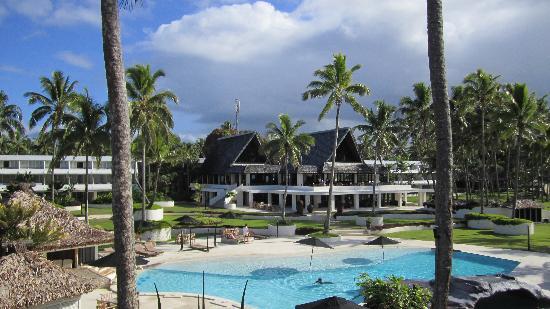
We will be staying at the luxurious Pearl South Pacific Resort in Pacific Harbor, where we'll feast on a delicious breakfast buffet each day, to prepare us for the exciting shark diving that lies ahead.
Price: $2800 per person/ double occupancy
Price includes:
- International flight from LAX to Nadi on Fiji Airways (add-on flights from other US cities available at additional cost. Price of package may vary slightly, based on available airfares at time of booking)
- 7 nights in a Ocean View room at The Pearl South Pacific Resort (double occupancy)
- Breakfast buffet daily
- 3 course dinner daily
- 4 days of 2-tank Bull Shark Diving
- 1 day of 2-tank Soft Coral Diving
- Round-trip transfers from Nadi Airport to The Pearl South Pacific Resort
- All taxes (tip for dive crew and hotel staff not included)
May 2015, 8-17, 15-24 and 22-31
Come join us on this incredible adventure!
Call 619.887.4275 or email staff@sharkdiver.com to book or get more information.
About Shark Diver. As a global leader in commercial shark diving and conservation initiatives Shark Diver has spent the past decade engaged for sharks around the world. Our blog highlights all aspects of both of these dynamic and shifting worlds. You can reach us directly at staff@sharkdiver.com.
Friday, December 19, 2014
Really Western Australia!? Again?
The department of fisheries for western Australia made the following announcement today.
"Following a series of tagged shark detections of a white shark at the Warnbro receiver a decision has been made to deploy capture gear to take a white shark that has been assessed as posing a serious threat to public safety."
So what has this shark done to pose this serious threat to public safety? Did it attack a surfer? Did it try to bite a swimmer?...... actually no. According to their press release, "The Department of Fisheries sent vessels to investigate and it became apparent the same shark has been within one kilometre of the shore over consecutive days." .... ah, .... well,..... hmm,..... I really don't know what to say. A shark is swimming in the water within a kilometer (.62 miles) over consecutive days! I guess that is reason enough to go out, capture and kill a protected species. I mean really, it is our Ocean and not the sharks! (sharkasm intended, just to make sure)
After stating that “The initial pattern of detections of this tagged shark combined with the mitigation strategies did not warrant further action". They went on to say. "However there has been an increase in the number of day-time detections on consecutive during the lead up to Christmas, and school holidays combined with warm and sunny weather, people are more likely to be in the water using the beaches, fishing and diving.” ... So it's not really the shark that is the problem, it's the people who want to go where they know a shark is swimming. I mean really, it would just be ridiculous to think that the strategies in already place right now “Measures required to negate serious threat to the public have been put in place, including beach closures, notifications to the community, and alerts / detections posted on Twitter and the department’s SharkSmart website, however, given the likely increase in water users and increased detections of this shark, more direct action has now been taken to address public safety concerns.” would prevent a possible attack. No, of course not. They need to go out and kill this protected shark. Anything else would just not be right!
The fisheries department justifies their action this way “The decision to remove the shark has been made under the State Government’s guidelines for the take of a shark posing a serious threat to public safety,”.... pssst, don't tell anyone, but how is a shark in the water a serious threat to a person on land? If the required action includes closing the beach and alerting the community, how exactly does this shark pose a serious threat?
I guess we now know, what the government had in mind, when they stopped their challenge to the decision to remove the drumlines. Just make up a hypothetical threat and go out to kill a protected species..... Well done!
Anyway, you can read their entire press release here.
Remember that Western Australia does this to supposedly protect the public and help tourism. We can all choose to not visit Western Australia and show them that way, what we think of their actions.
Cheers,
Martin Graf
CEO Shark Diver
About Shark Diver. As a global leader in commercial shark diving and conservation initiatives Shark Diver has spent the past decade engaged for sharks around the world. Our blog highlights all aspects of both of these dynamic and shifting worlds. You can reach us directly at staff@sharkdiver.com.
"Following a series of tagged shark detections of a white shark at the Warnbro receiver a decision has been made to deploy capture gear to take a white shark that has been assessed as posing a serious threat to public safety."
| source |
So what has this shark done to pose this serious threat to public safety? Did it attack a surfer? Did it try to bite a swimmer?...... actually no. According to their press release, "The Department of Fisheries sent vessels to investigate and it became apparent the same shark has been within one kilometre of the shore over consecutive days." .... ah, .... well,..... hmm,..... I really don't know what to say. A shark is swimming in the water within a kilometer (.62 miles) over consecutive days! I guess that is reason enough to go out, capture and kill a protected species. I mean really, it is our Ocean and not the sharks! (sharkasm intended, just to make sure)
After stating that “The initial pattern of detections of this tagged shark combined with the mitigation strategies did not warrant further action". They went on to say. "However there has been an increase in the number of day-time detections on consecutive during the lead up to Christmas, and school holidays combined with warm and sunny weather, people are more likely to be in the water using the beaches, fishing and diving.” ... So it's not really the shark that is the problem, it's the people who want to go where they know a shark is swimming. I mean really, it would just be ridiculous to think that the strategies in already place right now “Measures required to negate serious threat to the public have been put in place, including beach closures, notifications to the community, and alerts / detections posted on Twitter and the department’s SharkSmart website, however, given the likely increase in water users and increased detections of this shark, more direct action has now been taken to address public safety concerns.” would prevent a possible attack. No, of course not. They need to go out and kill this protected shark. Anything else would just not be right!
The fisheries department justifies their action this way “The decision to remove the shark has been made under the State Government’s guidelines for the take of a shark posing a serious threat to public safety,”.... pssst, don't tell anyone, but how is a shark in the water a serious threat to a person on land? If the required action includes closing the beach and alerting the community, how exactly does this shark pose a serious threat?
I guess we now know, what the government had in mind, when they stopped their challenge to the decision to remove the drumlines. Just make up a hypothetical threat and go out to kill a protected species..... Well done!
Anyway, you can read their entire press release here.
Remember that Western Australia does this to supposedly protect the public and help tourism. We can all choose to not visit Western Australia and show them that way, what we think of their actions.
Cheers,
Martin Graf
CEO Shark Diver
About Shark Diver. As a global leader in commercial shark diving and conservation initiatives Shark Diver has spent the past decade engaged for sharks around the world. Our blog highlights all aspects of both of these dynamic and shifting worlds. You can reach us directly at staff@sharkdiver.com.
Tuesday, December 16, 2014
Encounter with a gigantic shark.
We had an awesome encounter with a gigantic shark at Roca Partida. Thank you Nautilus Explorer for taking me on a trip of a lifetime!
Enjoy the video.
To book your own trip of a lifetime to any of our destinations, call us at 619.987.4275 or staff@sharkdiver.com
Cheers,
Martin Graf
CEO Shark Diver
About Shark Diver. As a global leader in commercial shark diving and conservation initiatives Shark Diver has spent the past decade engaged for sharks around the world. Our blog highlights all aspects of both of these dynamic and shifting worlds. You can reach us directly at staff@sharkdiver.com.
Enjoy the video.
To book your own trip of a lifetime to any of our destinations, call us at 619.987.4275 or staff@sharkdiver.com
Cheers,
Martin Graf
CEO Shark Diver
About Shark Diver. As a global leader in commercial shark diving and conservation initiatives Shark Diver has spent the past decade engaged for sharks around the world. Our blog highlights all aspects of both of these dynamic and shifting worlds. You can reach us directly at staff@sharkdiver.com.
Labels:
shark diver,
Shark diving,
swimming with sharks,
whale shark
Sunday, December 14, 2014
Hammerhead Sharks and Manta Rays in California?
A couple of spearfishermen had the opportunity to get into the water with a hammerhead shark off Anacapa Island in Southern California.
This hammerhead shark showed an interest in the divers, which is somewhat unusual. Maybe it was due to the fact that these guys were spearfishing and had some fish-blood on their wetsuits. Hammerhead sharks are usually very shy and stay away from humans. It is also quite unusual to encounter hammerheads this far north, but with the warm waters we were having all year, we have seen some unusual animals this season. Some divers even say Manta Rays at San Clemente Island this year.
It is highly unlikely that a hammerhead would attack a human, specially one so small. I'm sure these guys got the thrill of a lifetime and I'm glad they didn't shoot at the shark and in fact didn't have their guns loaded during this encounter.
We just came back from diving the Socorros, where we had the fortune to encounter a few schools of hammerheads, while diving at Roca Partida.
I'm glad that this video didn't attract sensationalistic headlines, talking about a narrow escape from certain death. Anytime I encounter a shark while diving, I feel incredibly lucky. It never ceases to amaze me, how shy most of the sharks are and how they usually dart away, when they see a diver.
Cheers,
Martin Graf
CEO Shark Diver
About Shark Diver. As a global leader in commercial shark diving and conservation initiatives Shark Diver has spent the past decade engaged for sharks around the world. Our blog highlights all aspects of both of these dynamic and shifting worlds. You can reach us directly at sharkoperations@gmail.com
This hammerhead shark showed an interest in the divers, which is somewhat unusual. Maybe it was due to the fact that these guys were spearfishing and had some fish-blood on their wetsuits. Hammerhead sharks are usually very shy and stay away from humans. It is also quite unusual to encounter hammerheads this far north, but with the warm waters we were having all year, we have seen some unusual animals this season. Some divers even say Manta Rays at San Clemente Island this year.
It is highly unlikely that a hammerhead would attack a human, specially one so small. I'm sure these guys got the thrill of a lifetime and I'm glad they didn't shoot at the shark and in fact didn't have their guns loaded during this encounter.
We just came back from diving the Socorros, where we had the fortune to encounter a few schools of hammerheads, while diving at Roca Partida.
I'm glad that this video didn't attract sensationalistic headlines, talking about a narrow escape from certain death. Anytime I encounter a shark while diving, I feel incredibly lucky. It never ceases to amaze me, how shy most of the sharks are and how they usually dart away, when they see a diver.
Cheers,
Martin Graf
CEO Shark Diver
About Shark Diver. As a global leader in commercial shark diving and conservation initiatives Shark Diver has spent the past decade engaged for sharks around the world. Our blog highlights all aspects of both of these dynamic and shifting worlds. You can reach us directly at sharkoperations@gmail.com
Tuesday, November 25, 2014
Shark conservation at Guadalupe?
How many times do we have to put up with those idiots, diving outside the cages at Guadalupe. It seems like every week there is another article, glorifying that illegal activity. The latest installment of "look at me, I'm so cool" comes from "Fins Attached", a non profit out of Colorado, that is supposedly into shark conservation.
In a piece on channel 13 in Colorado Springs, their founder, Dr. Alex Antoniou is quoted as saying
"An ambush predator by nature, researchers have found simple eye contact keeps the massive predators at bay. “As long as you stand your ground and maintain eye contact you’ll see it coming toward us and it’ll just veer off,” Dr. Alex Antoniou, founder of Fins Attached, said."
I guess the good Dr. is still new enough to think he's got the great white sharks figured out. What could go wrong?! But let's assume for a second that the guy is right. Can you tell me, how the guy in the video below is maintaining that eye contact?
This is just another idiotic attempt at self promotion. These guys don't care that their actions endanger every other shark diving operator and in turn the sharks themselves. When someone is finally going to get hurt or worse, everyone might get shut down. If that happens, I doubt that the poachers will stay away for long and who's going to look out for the sharks and make sure, their fins do stay attached.
If you want to contact "Fins attached" and let them know, how you feel, you can contact them here.
At Shark Diver we believe that only "safe and sane" diving with sharks can help conservation. These illegal activities are simply publicity stunts and do more harm than good.
Why can't we accept these awesome White Sharks for what they are? They are predators, not harmless pets.
Viewing them from a cage is legal, safe and you get plenty close to the sharks.
Close enough? They swim right by the cages and look you in the eye. No need to go outside the cage and endanger everyone.
Cheers,
Martin Graf
CEO
Shark Diver
About Shark Diver. As a global leader in commercial shark diving and conservation initiatives Shark Diver has spent the past decade engaged for sharks around the world. Our blog highlights all aspects of both of these dynamic and shifting worlds. You can reach us directly at staff@sharkdiver.com.
In a piece on channel 13 in Colorado Springs, their founder, Dr. Alex Antoniou is quoted as saying
"An ambush predator by nature, researchers have found simple eye contact keeps the massive predators at bay. “As long as you stand your ground and maintain eye contact you’ll see it coming toward us and it’ll just veer off,” Dr. Alex Antoniou, founder of Fins Attached, said."
I guess the good Dr. is still new enough to think he's got the great white sharks figured out. What could go wrong?! But let's assume for a second that the guy is right. Can you tell me, how the guy in the video below is maintaining that eye contact?
This is just another idiotic attempt at self promotion. These guys don't care that their actions endanger every other shark diving operator and in turn the sharks themselves. When someone is finally going to get hurt or worse, everyone might get shut down. If that happens, I doubt that the poachers will stay away for long and who's going to look out for the sharks and make sure, their fins do stay attached.
If you want to contact "Fins attached" and let them know, how you feel, you can contact them here.
At Shark Diver we believe that only "safe and sane" diving with sharks can help conservation. These illegal activities are simply publicity stunts and do more harm than good.
Why can't we accept these awesome White Sharks for what they are? They are predators, not harmless pets.
Viewing them from a cage is legal, safe and you get plenty close to the sharks.
Close enough? They swim right by the cages and look you in the eye. No need to go outside the cage and endanger everyone.
Cheers,
Martin Graf
CEO
Shark Diver
About Shark Diver. As a global leader in commercial shark diving and conservation initiatives Shark Diver has spent the past decade engaged for sharks around the world. Our blog highlights all aspects of both of these dynamic and shifting worlds. You can reach us directly at staff@sharkdiver.com.
Sunday, November 2, 2014
"Selfie" shows what sharks are like?
When it comes to sharks, the news coverage is pretty atrocious. It seems like they either portray the sharks as mindless killers, or harmless pets. The people that get coverage, are invariably doing something stupid, or flat illegal.
An example of the stupid kind is the latest report by the "Mail Online". They are posting an article that features a diver taking "selfies" while leaning way out of a cage, while diving with great white sharks at Isla Guadalupe.
This picture reminds me of a professional photographer that was leaning out of a cage, filming a shark and never realized that a second shark was coming at him, with his mouth open. If it wasn't for another diver smashing his camera against the sharks nose, it would have taken the photographers head off. After the dive, the photographer didn't believe that there was a shark behind him and to this day, doesn't believe that he was within inches of being bit.
It is not the shark that you see that will get you, it's the one you never know is there.
The full article is here.
I don't understand why people who say they love sharks, feel the need to portray them as something they are not. Are those people somehow ashamed that great white sharks are apex predators and not harmless pets.
If you want to come face to face with a great white shark and believe in doing is "safe and sane", give us a call at 619.887.4275 or email staff@sharkdiver.com.
We are looking forward to showing you these awesome sharks from inside a cage.
Cheers,
Martin Graf
CEO Shark Diver
About Shark Diver.
As a global leader in commercial shark diving and conservation initiatives Shark Diver has spent the past decade engaged for sharks around the world. Our blog highlights all aspects of both of these dynamic and shifting worlds. You can reach us directly at staff@sharkdiver.com.
An example of the stupid kind is the latest report by the "Mail Online". They are posting an article that features a diver taking "selfies" while leaning way out of a cage, while diving with great white sharks at Isla Guadalupe.
This picture reminds me of a professional photographer that was leaning out of a cage, filming a shark and never realized that a second shark was coming at him, with his mouth open. If it wasn't for another diver smashing his camera against the sharks nose, it would have taken the photographers head off. After the dive, the photographer didn't believe that there was a shark behind him and to this day, doesn't believe that he was within inches of being bit.
It is not the shark that you see that will get you, it's the one you never know is there.
For the diver in this picture to make a statement like: 'I began making selfies with all kinds of sharks – mostly for fun. 'Only later I realized that they could show people what sharks are like – when behaving normally, there is no danger.
Yep, you want to show people what sharks are like by taking a "selfie". You could not possibly achieve this by filming the sharks and show, how they behave. Nope, you have to get yourself into that picture to accomplish that. Trying to get your 15 minutes of fame had absolutely nothing to do with it. Newsflash, while it is true that we are not on their menu, great white sharks are NOT harmless, specially when you are in a baited situation.
The full article is here.
I don't understand why people who say they love sharks, feel the need to portray them as something they are not. Are those people somehow ashamed that great white sharks are apex predators and not harmless pets.
If you want to come face to face with a great white shark and believe in doing is "safe and sane", give us a call at 619.887.4275 or email staff@sharkdiver.com.
We are looking forward to showing you these awesome sharks from inside a cage.
Cheers,
Martin Graf
CEO Shark Diver
Labels:
great white shark,
isla guadalupe,
Shark diving,
stupid media
Friday, October 31, 2014
What is it like to come face to face with a Great White Shark?
Allan Davey and his son were part of our first Great White Shark expedition to Guadalupe Island this season. He has documented his experience in his blog, A Truly Great White Shark Adventure.
He writes:
We had sharks visit on every session in the cage which apparently isn’t
always the case. There was a lot more action on our trip then on
previous trips. ( This has continued on trips after ours ). Two of the
larger sharks exhibited unusual behaviour which prompted discussions
amongst the crew. They were repeatedly gnawing on the cage and one would
get under it and knock it from below. They weren’t trying to attack but
they were being aggressive. At one point while one of the sharks was
biting the cage, a tooth dislodged and started to flutter down. My cage
mate went to grab it then realized what he was doing as he started to
reach towards the gaping jaws and quickly and fortunately realized that
would be unwise. Made for some great personal experiences but made me
ponder what is happening to these sharks and their environment that
might explain this behaviour. Then again our Dive Master Martin Graf said that as soon as you think you know something about white sharks
they do something unexpected and everything goes out the window.
It was very unusual that during our first 2 trips, some sharks that have been around our cages for years, "Gunther" and "Drogin" were repeatedly nibbling on our cages. There was no food by the cages and they did it in slow motion, with their eyes open and not rolled back. I have never observed that kind of behavior before.
We also saw some great interaction between sea lions and sharks that Allan has documented with these awesome pictures.
You can read Allan's blog here. Along with a lot of awesome pictures, he also has some great info and tips for photographers. Thanks Allen!
Here are some more samples of his pictures!
If you would like to experience these shark up close and personal yourself, call us at 619.887.4275 or email staff@sharkdiver.com. You can find our expedition schedule at http://www.sharkdiver.com/dive-packages/great-white-shark-diving/
Let's go shark diving!
Cheers,
Martin Graf
CEO Shark Diver
About Shark Diver. As a global leader in commercial shark diving and conservation initiatives Shark Diver has spent the past decade engaged for sharks around the world. Our blog highlights all aspects of both of these dynamic and shifting worlds. You can reach us directly at staff@sharkdiver.com.
He writes:
![]() |
| "Gunther" nibbling on cage. Photo Allan Davey. |
It was very unusual that during our first 2 trips, some sharks that have been around our cages for years, "Gunther" and "Drogin" were repeatedly nibbling on our cages. There was no food by the cages and they did it in slow motion, with their eyes open and not rolled back. I have never observed that kind of behavior before.
We also saw some great interaction between sea lions and sharks that Allan has documented with these awesome pictures.
![]() |
| Well, hello there! How are you today? |
![]() |
| Hey, wanna go play? |
You can read Allan's blog here. Along with a lot of awesome pictures, he also has some great info and tips for photographers. Thanks Allen!
Here are some more samples of his pictures!
![]() |
| Check out the blue eyes! |
If you would like to experience these shark up close and personal yourself, call us at 619.887.4275 or email staff@sharkdiver.com. You can find our expedition schedule at http://www.sharkdiver.com/dive-packages/great-white-shark-diving/
Let's go shark diving!
Cheers,
Martin Graf
CEO Shark Diver
About Shark Diver. As a global leader in commercial shark diving and conservation initiatives Shark Diver has spent the past decade engaged for sharks around the world. Our blog highlights all aspects of both of these dynamic and shifting worlds. You can reach us directly at staff@sharkdiver.com.
Thursday, October 30, 2014
Shark attack, surfer kicking for his life?
Today's headlines of a few Australian newspapers scream "Shark Attack In Australia Had Pro Surfer Ryan Hunt Kicking For His Life", "Top surfer who survives shark attack after kicking it in the head"
and Surfer undergoes surgery after shark attack near Old Bar, NSW.
So what happened? Another surfer attacked by a great white shark?
The reports are stating things like "A surfer survived a shark attack after kicking it in the head as he rode a wave. Ozzie Ryan Hunt, 20, was attacked by a shark while surfing at Wallabi Point in New South Wales. The beast went for his foot repeatedly during the terrifying incident at around 5.30pm, biting through the board."
and "A shark attack in Australia had a young professional surfer named Ryan Hunt kicking for his life when the shark kept coming back for him in the waves."
Wow, sounds like this guy was lucky and barely escaped with his life! Of course, after reading the reports a little more carefully, you get the real story. After writing the headline "Shark Attack in Australia Had Pro Surfer Ryan Hunt Kicking for his Life" the "Inquisitr" states "The 20-year-old surfer says the shark attack occurred while he was surfing small waves at dusk. According to Hunt, he was “pretty unlucky to stand on the shark’s head” while at Wallabi Point, which is on the coast of New South Wales, Australia. Needless to say, the shark was not exactly pleased to have a human standing on its noggin."
So the guy actually stepped on the sharks head, OK, still, pretty lucky to get away with his life after being bit by this "beast". How big was that beast? Well, lets see what they say about the size. “I tried to kick it off and it bit down again and then it swam up between my legs. I had my hands trying to push down its head, it was about 10 inches wide.”
Wow, the head was 10 inches wide!!! Imagine a 10 inch wide shark coming at you, ....... well, never mind. Another typical hyped up headline.
And how about the injuries sustained in this "terrifying" "attack"?
Granted, that's a pretty good gash, but by reading the headlines, you'd expect much worse. As to calling this a shark attack, seems to me that the shark was just reacting to being stepped on the head.
Surfer attacks shark, would have been a more appropriate headline.
Cheers,
Martin Graf
CEO Shark Diver
About Shark Diver. As a global leader in commercial shark diving and conservation initiatives Shark Diver has spent the past decade engaged for sharks around the world. Our blog highlights all aspects of both of these dynamic and shifting worlds. You can reach us directly at staff@sharkdiver.com.
and Surfer undergoes surgery after shark attack near Old Bar, NSW.
So what happened? Another surfer attacked by a great white shark?
The reports are stating things like "A surfer survived a shark attack after kicking it in the head as he rode a wave. Ozzie Ryan Hunt, 20, was attacked by a shark while surfing at Wallabi Point in New South Wales. The beast went for his foot repeatedly during the terrifying incident at around 5.30pm, biting through the board."
and "A shark attack in Australia had a young professional surfer named Ryan Hunt kicking for his life when the shark kept coming back for him in the waves."
Wow, sounds like this guy was lucky and barely escaped with his life! Of course, after reading the reports a little more carefully, you get the real story. After writing the headline "Shark Attack in Australia Had Pro Surfer Ryan Hunt Kicking for his Life" the "Inquisitr" states "The 20-year-old surfer says the shark attack occurred while he was surfing small waves at dusk. According to Hunt, he was “pretty unlucky to stand on the shark’s head” while at Wallabi Point, which is on the coast of New South Wales, Australia. Needless to say, the shark was not exactly pleased to have a human standing on its noggin."
So the guy actually stepped on the sharks head, OK, still, pretty lucky to get away with his life after being bit by this "beast". How big was that beast? Well, lets see what they say about the size. “I tried to kick it off and it bit down again and then it swam up between my legs. I had my hands trying to push down its head, it was about 10 inches wide.”
Wow, the head was 10 inches wide!!! Imagine a 10 inch wide shark coming at you, ....... well, never mind. Another typical hyped up headline.
And how about the injuries sustained in this "terrifying" "attack"?
| ||
| source |
Granted, that's a pretty good gash, but by reading the headlines, you'd expect much worse. As to calling this a shark attack, seems to me that the shark was just reacting to being stepped on the head.
Surfer attacks shark, would have been a more appropriate headline.
Cheers,
Martin Graf
CEO Shark Diver
About Shark Diver. As a global leader in commercial shark diving and conservation initiatives Shark Diver has spent the past decade engaged for sharks around the world. Our blog highlights all aspects of both of these dynamic and shifting worlds. You can reach us directly at staff@sharkdiver.com.
Wednesday, October 29, 2014
No cage shark diving with Shark Diver?
Mens Journal, in it's October issue has an article on "no cage shark diving". In that article, Shark Diver is mentioned as offering such dives.
"There is definitely a bucket list aspect," says Martin Graf, who conducts trips in the Bahamas and Guadalupe through his company, Shark Diver, which began offering no-cage expeditions in 2012. "
I want to make sure that everyone understands that we do not offer cage free dives with Great White Sharks at Isla Guadalupe! Our cage free diving is only done, where it is both legal and safe to do so, with Tiger Sharks in the Bahamas and Bull Sharks in Fiji.
Our dives at Isla Guadalupe are exclusively in cages and are part of a 5 day live aboard trip, leaving from San Diego. You can find our schedule for these trips here.
In Fiji, we are not using cages and are diving with up to 70 Bull Sharks at a time. Our partners there, Beqa Adventure Divers have been safely operating these cage free dives for over 10 years. They are of course also the guys who were instrumental in the designation of their Shark Reef as a national park. We talked about their good work here. You can find more information on our Bull Shark trips to Fiji here.
In the Bahamas, we dive with Tiger Sharks. We do not use cages there and only attract the sharks to the dive site, but do not hand feed, or in any way handle the sharks. For more info on these trips, visit our website here.
We at Shark Diver have always been outspoken on the no cage diving that is going on at Guadalupe and have written about it here, here, and here.
Cheers,
Martin Graf
CEO Shark Diver
About Shark Diver. As a global leader in commercial shark diving and conservation initiatives Shark Diver has spent the past decade engaged for sharks around the world. Our blog highlights all aspects of both of these dynamic and shifting worlds. You can reach us directly at staff@sharkdiver.com.
"There is definitely a bucket list aspect," says Martin Graf, who conducts trips in the Bahamas and Guadalupe through his company, Shark Diver, which began offering no-cage expeditions in 2012. "
Our dives at Isla Guadalupe are exclusively in cages and are part of a 5 day live aboard trip, leaving from San Diego. You can find our schedule for these trips here.
In Fiji, we are not using cages and are diving with up to 70 Bull Sharks at a time. Our partners there, Beqa Adventure Divers have been safely operating these cage free dives for over 10 years. They are of course also the guys who were instrumental in the designation of their Shark Reef as a national park. We talked about their good work here. You can find more information on our Bull Shark trips to Fiji here.
In the Bahamas, we dive with Tiger Sharks. We do not use cages there and only attract the sharks to the dive site, but do not hand feed, or in any way handle the sharks. For more info on these trips, visit our website here.
We at Shark Diver have always been outspoken on the no cage diving that is going on at Guadalupe and have written about it here, here, and here.
Cheers,
Martin Graf
CEO Shark Diver
About Shark Diver. As a global leader in commercial shark diving and conservation initiatives Shark Diver has spent the past decade engaged for sharks around the world. Our blog highlights all aspects of both of these dynamic and shifting worlds. You can reach us directly at staff@sharkdiver.com.
Friday, October 24, 2014
Do you want to work with sharks?
My friend Ingrid Sprake, a project director at Projects Abroad has let me know about an exciting volunteer opportunity, to work with sharks in South Africa.
If you would like to apply for this position, you can do it here
zoom
This project is perfect for anyone with a passion for marine wildlife and the great outdoors. The South African Shark Conservation Project offers you the chance to get up close to some of the most endangered and mis-understood animals in the world whilst working closely with experts in this field to ensure the conservation of these animals. Volunteers are welcome on a gap year, a career break, for university research or as part of a summer holiday.
The Shark Conservation Project is based
in the Old Harbour Museum in the coastal town of Hermanus in South
Africa. Hermanus is situated on the shores of Walker Bay, which lies at
the meeting of two great oceans - the Atlantic and Indian Oceans.
The close proximity to the sea enables the project to have a fully operational marine laboratory equipped with experimental tanks housing captive sharks and a touch-tank for educational purposes. The site also houses an education center where a training and outreach programme is delivered to the community, fishermen & the eco-tourism industry.
Here you will find answers to the following questions:
Whilst this project does not include any scuba diving activities, as a volunteer you will have the opportunity to go cage diving with great white sharks, usually once every two weeks. You will also assist in the collection of ecotourism-based data on white sharks. Additionally, volunteers staying longer than 4 weeks will participate in an individual shark identification project. This uses photo ID techniques to develop a catalogue on endemic shark species in Walker Bay.
Part of your stay will include completing the Shark Research Project Course which results in a certification. As part of the course you will see a shark dissection and collect data on a moribund shark.
zoom
The Shark Conservation Project is based in the Old Harbour Museum in the coastal town of Hermanus in South Africa. Hermanus is situated on the shores of Walker Bay, which lies at the meeting of two great oceans - the Atlantic and Indian Oceans.
Sharks play a crucial role in our oceans. Most sharks serve as apex predators at the top of the marine food pyramid. Directly or indirectly they regulate the natural balance of the marine ecosystems, at all levels, and are therefore an essential part of them. Sharks usually hunt old, weak or sick prey and help to keep the prey population in good condition, enabling these more naturally fit animals to reproduce and pass on their genes.
The Shark Conservation Project in South Africa forms part of Projects Abroad’s Global Shark Campaign, which gives people from various backgrounds and ages the chance to help with the conservation of sharks and marine life. Projects Abroad are embarking on a campaign in 18 countries across four continents to raise awareness on shark conservation.
You will be met at the international airport in Cape Town and be transferred to Hermanus, 1.5 hours away.
The local food consists of plenty of rice, potatoes, bread, chicken and starchy root vegetables. Tropical fruit like papaya, mango, pineapple and watermelon are available in season. Vegetarians can be catered for.
Hermanus offers a variety of activities, including kayaking, fishing, hiking, boat-based whale watching trips (in season). There is also excellent scuba diving, and some of South Africa’s most beautiful beaches. There are many restaurants, art galleries and local shops to visit. Since it is situated only 1.5hours from Cape Town, volunteers can easily access the city and all it has to offer.
You can join the Conservation & Environment project in South Africa for two or three weeks if you don't have time to join us for four weeks or more. This project has been selected by our local colleagues as being suitable for short term volunteering for both the host community and the volunteer. Although you will gain a valuable cultural insight and work within the local area please be aware that you may not be able to make the same impact as someone volunteering for a longer period.
Again, the link to apply is here and if you would like more information on this and many other volunteer opportunities, you can find it here.
This is your chance to make a real difference.
Cheers,
Martin Graf
CEO Shark Diver
About Shark Diver. As a global leader in commercial shark diving and conservation initiatives Shark Diver has spent the past decade engaged for sharks around the world. Our blog highlights all aspects of both of these dynamic and shifting worlds. You can reach us directly at staff@sharkdiver.com.
If you would like to apply for this position, you can do it here
- Placement location: Old Harbour Museum, Hermanus, South Africa
- Role: To work directly with the Shark Conservation Project
- Main Research Focus: Scientific shark research, shark conservation, education
- Environment: Marine
- Accommodation: Shared volunteer accommodation
- Price: From £1,845
- What's included? Food, accommodation, airport transfers, insurance, personal webpage, induction and orientation, 24/7 support
- What's not included? Flights, visa costs, spending money
- Length of placement: From 2 weeks
- Start dates: Flexible from 1st February 2015
This project is perfect for anyone with a passion for marine wildlife and the great outdoors. The South African Shark Conservation Project offers you the chance to get up close to some of the most endangered and mis-understood animals in the world whilst working closely with experts in this field to ensure the conservation of these animals. Volunteers are welcome on a gap year, a career break, for university research or as part of a summer holiday.
The close proximity to the sea enables the project to have a fully operational marine laboratory equipped with experimental tanks housing captive sharks and a touch-tank for educational purposes. The site also houses an education center where a training and outreach programme is delivered to the community, fishermen & the eco-tourism industry.
Here you will find answers to the following questions:
- What is my role on this Conservation & Environment project?
- What are the aims of this Conservation & Environment project?
- Where will I live on this project?
What is my role on this Conservation & Environment project?
As a volunteer on the Shark Conservation project you will observe and assist the local scientists with a wide range of on-going and long-term research projects. Your regular activities will include:- Assisting with scientific surveys to assess how pollution is affecting the oceans.
- Monitoring the diversity and movement of sharks, skates and rays in Walker Bay using conventional tagging techniques.
- Collecting biological measurements from catshark species for identification, conservation and management purposes.
- Collecting data on sharks, including genetic samples, tagging, movement, and growth.
- Non-invasive monitoring of the diversity and habitat use of sharks using the baited remote underwater video (BRUV) method.
- Assisting with sample collection of invertebrates, algae, sharks, etc for better understanding of ecosystem dynamics (food webs).
- Developing and implementing community-based education activities and programmes.
- Report and article writing.
Whilst this project does not include any scuba diving activities, as a volunteer you will have the opportunity to go cage diving with great white sharks, usually once every two weeks. You will also assist in the collection of ecotourism-based data on white sharks. Additionally, volunteers staying longer than 4 weeks will participate in an individual shark identification project. This uses photo ID techniques to develop a catalogue on endemic shark species in Walker Bay.
Part of your stay will include completing the Shark Research Project Course which results in a certification. As part of the course you will see a shark dissection and collect data on a moribund shark.
What are the aims of this Conservation & Environment project?
The primary aims of the Shark Conservation Project in South Africa are to:zoom
- Conduct and coordinate research on sharks, their habitats, population dynamics, and behavioural ecology
- Collect baseline data on marine biodiversity, ecology and habitats within Walker Bay
- Develop holistic and realistic conservation and management recommendations based on thorough science
- Collect, collate and contribute consistent and reliable data to environmental, fishery, management and conservation organisations
- Work with fishermen to develop realistic solutions to fishery issues
- Provide free education programmes to local communities, schools, fishermen, and conservationists to encourage a broad understanding of threats facing marine ecosystems
- Use science-based data in a public forum to demystify sharks and promote better understanding of the ecological role of apex predators in marine ecosystems
- Work with regional educators to develop shark-related educational resources
- Promote sustainable use of living marine resources through science, education and awareness
The Shark Conservation Project is based in the Old Harbour Museum in the coastal town of Hermanus in South Africa. Hermanus is situated on the shores of Walker Bay, which lies at the meeting of two great oceans - the Atlantic and Indian Oceans.
Sharks play a crucial role in our oceans. Most sharks serve as apex predators at the top of the marine food pyramid. Directly or indirectly they regulate the natural balance of the marine ecosystems, at all levels, and are therefore an essential part of them. Sharks usually hunt old, weak or sick prey and help to keep the prey population in good condition, enabling these more naturally fit animals to reproduce and pass on their genes.
The Shark Conservation Project in South Africa forms part of Projects Abroad’s Global Shark Campaign, which gives people from various backgrounds and ages the chance to help with the conservation of sharks and marine life. Projects Abroad are embarking on a campaign in 18 countries across four continents to raise awareness on shark conservation.
Where will I live on this project?
Volunteers live together in shared accommodation in Hermanus, with 2 - 4 volunteers sharing a room. A local housekeeper looks after the volunteer accommodation and prepares three meals a day. Packed lunches are provided on days in the field.You will be met at the international airport in Cape Town and be transferred to Hermanus, 1.5 hours away.
The local food consists of plenty of rice, potatoes, bread, chicken and starchy root vegetables. Tropical fruit like papaya, mango, pineapple and watermelon are available in season. Vegetarians can be catered for.
Hermanus offers a variety of activities, including kayaking, fishing, hiking, boat-based whale watching trips (in season). There is also excellent scuba diving, and some of South Africa’s most beautiful beaches. There are many restaurants, art galleries and local shops to visit. Since it is situated only 1.5hours from Cape Town, volunteers can easily access the city and all it has to offer.
You can join the Conservation & Environment project in South Africa for two or three weeks if you don't have time to join us for four weeks or more. This project has been selected by our local colleagues as being suitable for short term volunteering for both the host community and the volunteer. Although you will gain a valuable cultural insight and work within the local area please be aware that you may not be able to make the same impact as someone volunteering for a longer period.
Again, the link to apply is here and if you would like more information on this and many other volunteer opportunities, you can find it here.
This is your chance to make a real difference.
Cheers,
Martin Graf
CEO Shark Diver
About Shark Diver. As a global leader in commercial shark diving and conservation initiatives Shark Diver has spent the past decade engaged for sharks around the world. Our blog highlights all aspects of both of these dynamic and shifting worlds. You can reach us directly at staff@sharkdiver.com.
Subscribe to:
Posts (Atom)


