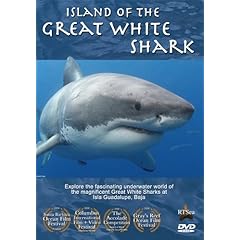
Showing posts with label island of the great white shark. Show all posts

Friday, February 27, 2015

Memorial announced for "Island of the Great White Shark" filmmaker, Richard Theiss

A memorial for Richard Theiss, our friend, underwater filmmaker and ocean advocate has been announced for 7 pm, March 20, 2015 at the aquarium of the pacific in Long Beach.


His son Bryan posted this on his FB.

I'm pleased to share with Family, Friends, and Colleagues of Richard Theiss, that a Memorial Service has been planned for Friday, March 20th @ 7pm at the Aquarium of the Pacific in Long Beach, CA. 

Please join us as we pay tribute to an incredibly thoughtful, caring and multi- talented man.
The Family would like to take a moment to thank Aquarium of the Pacific CEO, Dr. Jerry Schubel, for his gracious hospitality in allowing us to hold this Event. 

It's asked that if you plan to attend the Memorial Service that you comment here or message me directly so that we may gauge a guest count. However there will be plenty of room and ALL are invited. We also encourage you to share this announcement amongst your Industries, Committees, and Groups to ensure all are aware of this Date & Time. 

I thank you for your comments and well wishes over the past couple weeks and look forward to seeing you very soon! ~Bryan Theiss

Aquarium of the Pacific
100 Aquarium Way

Long Beach, CA 90802

 
Richard spent many years with us at Guadalupe Island, filming his Great White Sharks. His favorite shark was "Mystery" a gigantic female who is a regular at the island. The last time I saw Richard, just a few months ago, he asked about her. Richard was passionate about his sharks and the oceans until the very end.


Cheers,
Martin Graf
CEO Shark Diver

About Shark Diver. As a global leader in commercial shark diving and conservation initiatives Shark Diver has spent the past decade engaged for sharks around the world. Our blog highlights all aspects of both of these dynamic and shifting worlds. You can reach us directly at staff@sharkdiver.com.

Friday, February 6, 2015

We lost a great friend and shark advocate.

Yesterday, we lost Richard Theiss, a nice guy and great underwater filmmaker. His son Bryan posted the following on his facebook page.


Richard Hartman Theiss
9/25/1951 - 2/5/2015


Today I lost my Father, Best Friend, Unwavering Supporter and Mentor. The world lost today a Musician, Oceanographer, Wildlife Conservationist and Animal Rights Activist. The Heavens gained today the most Compassionate, Sincere, Caring, and Thoughtful person I've ever known. I miss you with every breath Dad!

The Family would like to welcome any Photos, Stories and Memories you'd like to share. You are welcome to post here, private message me them directly, or email me at brtheiss@msn.com


I've know Richard for over a decade and remember him for his love of the Great White Sharks. He came out with us for many, many expeditions, filming his documentary "Island of the Great White Shark". We shared some good times, over the years and I remember him always asking about his favorite shark "Mystery"

The last time I saw Richard was last year, when he told me that he was looking forward to spending time with his son Bryan in Hawaii. Sadly that time turned out to be much too short.

Richard, you will be missed my friend!

Cheers,
Martin Graf
CEO Shark Diver


About Shark Diver. As a global leader in commercial shark diving and conservation initiatives Shark Diver has spent the past decade engaged for sharks around the world. Our blog highlights all aspects of both of these dynamic and shifting worlds. You can reach us directly at staff@sharkdiver.com.

Monday, September 6, 2010

RTSea Productions - The Slippery Case of Jellies

Trying to get the attention of filmmaker Richard Theiss these days is like trying to nail jelly to a wall. When he's not moderating Blue Ocean Panel discussions on shark conservation at Monetery Bay he's off filming...jellies.

Sea nettles to be exact and a recent storm of them in Monetery Bay that has been garnering all sorts of attention. Which answers the question many had at the recent BLUE Oceans event as to why Richard was the only one in attendance with salty wet hair.

The man is always on the move either underwater or above it:

Friday, June 18, 2010

Shark Diver in the Wall Street Journal

This week Shark Diver enjoyed some great coverage in the WSJ. Thanks Sue S for the article, hopefully we'll see you this fall at Isla Guadalupe!

Guys Just Want to Have Fun

Ask Marc Van Driessche about a recent vacation, and he will describe an adrenaline-charged shark-diving expedition off the Mexico coast with two menfriends. While he enjoyed his up-close encounter with Bruce, a great white shark the size of a bus, the family stayed home.Sue Shellenbarger discusses the rise of the "mancation," trips for men that go beyond traditional golf or fishing outings. What's in? Extreme sports, such as shark diving and machine-gun shooting.


As much as he loves his wife and two young sons, Dr. Van Driessche, a Mukilteo, Wash., chiropractor, says some vacations are better taken with other guys.


Pop culture has a term for it: the mancation. More men are getting away from family, work and household duties for trips with male friends who will watch your back, push you if you lose your nerve, and take care of themselves if they get seasick, Dr. Van Driessche says. They are departing from traditional male golf outings or fishing trips to engage in extreme sports, from off-road racing to machine-gun training. Also, more men are heading to destinations long regarded as more alluring to women—many with added "man caves" and other mancation-style amenities, such as poker tables and cigar bars.


The trend shouldn't be confused with the bachelor-party stereotype of drunken bar crawls or partying at casinos, says James Hills, founder of mantripping.com, a two-year-old Web site that helps men plan their trips. Nor are they "singles trips" aimed at finding partners, he says.


Instead, more men are using trips to deepen friendships, teach each other skills or push each other into adrenaline-charged activities that their families prefer to sit out. Others want to recapture the camaraderie of high school or college sports, or escape what they regard as an increasingly female-dominated world. A shift toward rising individualism in marriage is fueling the trend, by making separate getaways more acceptable to spouses.


Complete Story.

Wednesday, August 19, 2009

Richard Theiss - Talking Shark Policy With Politicians

Richard Theiss, filmmaker, producer, and blue blogger, has been a tireless champion for the global shark diving industry. Using his latest pro-shark, pro-industry film, Island of the Great White Shark as an educational tool Richards work continues to benefit the industry:

CALIFORNIA ASSEMBLY MEMBERS SPONSOR SCREENING


Sacramento, California, August 18, 2009 – California Assembly members Nathan Fletcher (R, 75th Assembly District) and Jared Huffman (D, 6th Assembly District) will be sponsoring a special screening/discussion of RTSea Productions’ Island of the Great White Shark for invited members of the State Assembly and Senate on Wednesday August 19, 2009 at the State Capitol.


The award-winning documentary film is a comprehensive look at the great white sharks of Isla Guadalupe, Baja, exploring the true nature of these critically important animals and the ongoing scientific research intended to secure their survival. Following the screening, RTSea filmmaker Richard Theiss, world-renown shark expert Dr. Peter Klimley from UC Davis, and eco-tourism operator Greg Grivetto from Horizon Charters, will discuss and field questions about the film, the important conservation and eco-tourism issues facing these ocean predators, and what the future of these animals means to California.


“These are absolutely magnificent creatures living on a razor’s edge of possible extinction. And there are some very dedicated people working tirelessly to prevent that. This is a story that needed to be told because their fate can have an impact on California, ranging from tourism and fishery economies to fragile marine ecosystems,” says Richard Theiss, RTSea Productions, executive producer and cinematographer.


Theiss has filmed the great white sharks that migrate in the fall to Isla Guadalupe for over five years. During that time, he not only completed the documentary, Island of the Great White Shark, but also became aware of the plight of these ocean predators and how their future is tied to environmental, conservation, and tourism issues between both California and Mexico. Relying on assistance from Dominique Cano-Stoco, Associate Director of Government Relations, UC San Diego, initial contact with several California legislators proved there was positive interest regarding the issues, which has led to Assemblymembers Fletcher and Huffman taking an active role in arranging this screening/discussion in addition to proposing other measures.


“Of all the animals in our planet, sharks are among the most recognizable, yet they remain remarkably misunderstood. Island of the Great White Sharks packages a message of science education and ocean conservation inside quality entertainment and cinematography. As an outdoorsman and as a surfer in particular, I appreciate that this film shows the truth—that sharks are critical players in maintaining balance in our marine ecosystems. The cause of conservation is important, and I am happy to use this event to encourage continued learning about these iconic creatures and smart steps to protect their place in our world,” said Assemblymember Nathan Fletcher.


"This film illustrates the importance of international cooperation in wildlife conservation, including the need for better understanding and appreciation of the vital role this unique species plays in the ocean ecosystem. Wildlife conservation and eco-tourism are also major contributors to California's economy, and for that and many other reasons deserve our support and encouragement, said Assemblymember Jared Huffman."


Following on the hype and hysteria of Discovery Channel’s annual Shark Week television programming, this event plans to present the facts regarding a critically important and highly misunderstood shark. The film highlights the value of shark eco-tourism and the importance of conservation, while the discussion will bring out the need for cooperation between California and Mexico’s regulatory agencies involved with eco-tourism, research, wildlife conservation and protection of threatened species.


The screening and follow up discussion will take place in Room 126 of the State Capitol from 5:30 p.m. to 7:30 p.m. Those wishing to attend or to arrange interviews with the participants should contact Heather Koszka in Assemblyman Fletcher’s office at 916-319-2075.


About RTSea Productions


RTSea Productions, based in Irvine, California, (www.rtsea.com) is dedicated to capturing nature and underwater images that will impress and move viewers to preserve and protect our precious natural resources – above and below the waves. RTSea has provided footage for National Geographic, Discovery, Animal Planet, Google Earth, Aquarium of the Pacific, and others.

# # #

Sunday, July 26, 2009

Gone Shark Diving - Isla Guadalupe 2009

We'll be offline for the next 5 days as the crew from Shark Diver, a few old friends, and some new ones sail off into the wide blue Pacific to meet with Great Whites of Isla Guadalupe.

THIS is what the entire year of 2009 means to us. Three glorious months of the worlds most stunnning human and animal interactions. Here's a trip report from 2008 to tide you over until we get back with a full update:

Trip Report:

Thought you might be interested in a few words about my recent return to Guadalupe. I tend to be rather wordy, but with everything that happened I'm not sure how to condense it.

We were haze gray and underway, bound for Isla Guadalupe on Saturday, SEP 27. Despite the cloud cover, our crossing was unusually calm. It set the stage for what was to be an interesting excursion. The cover didn't let up, and so we missed the usually spectacular Guadalupe sunrise that I remember from last year. It did make for a very atmospheric arrival at the island, with clouds clinging to the cliff sides. We geared up and hit the cages. Diving in the second group, my first sight of the sharks this year was from the surface about 15 minutes into the first rotation. I couldn't wait for my time in the cage!

The sharking was fairly quiet that first day. They made a few passes near the cage, but remained below the divers for the most part. But then, all the fishes were acting rather odd (okay, I didn't know that at the time, but the crew of the MV Islander enlightened me at the end of the day). As Luke stated, when the experienced crew of a fishing boat tells you that the fish are behaving strangely, you know that something must be up. Maybe it was the new moon, or maybe it was the cloud cover. Or maybe we just weren't that interesting that day. During one of the afternoon dives, I happened to look up to see a carcass floating just next to the cage. It turns out that someone had noticed the elephant seal carcass floating nearby, and arranged to have it towed to our boat. Needless to say, we were all interested in what this might bring. As it turns out, for that first day, not too much. One shark nosed around the carcass briefly, but seemed to lose interest and swam off. After the day's diving was concluded, we decided that the carcass was worth hanging on to for the night, despite the rather interesting aroma it brought to the deck. We all went to sleep wondering if it would be there in the morning.

Day 2 started early for me. I was out on the deck at about 0600 talking with the other early birds and waiting for breakfast (excellent as was every meal, thanks, Skippy!). I happened to be gazing toward the carcass (which had indeed survived the night), when suddenly a white pointer hit the 'head' of the dead seal. I can't possibly describe the power as the shark breached, and then arced over the seal. With a shout of 'Shark on the carcass!' I ran to grab my camera and wake up anyone still asleep. The shark circled the seal for about 10 or 15 minutes, and devoured everything except the entrails. Definitely one of the most incredible things I've ever seen. This set the stage for another interesting day of diving.

Once again the sharks were quiet, staying relatively deep. When the sharks were out of sight, we were treated to another amazing sight. Several yellow fin tuna took an interest in us, and in the hang baits. They put on a spectacular show, moving around at incredible speeds. I saw as many as four tuna around the cages when the sharks were away. Though I missed it, one diver saw a shortfin mako make a quick circuit beneath the cages before heading away. Divers also witnessed what might have been mating behavior, with a male great white nipping at the fins of a female. Definitely an interesting sight seeing the same, larger female submit to these attentions by rolling on her back under the Islander. The highlight for me, though, had to be the afternoon arrival of one of the largest sharks I've ever seen. She was 15 or 16 feet, and as big around as my Wrangler! It's strange how easily I forget about the girth of these animals. She moved gracefully around the cages, showing a modest interest in the hang baits. Comparing notes at the end of the day, we divers were fairly certain that this was Sarah, one of the known returnees to Guadalupe. Even Luke and Oscar thought this might have been she.

A quick digression. The opportunity for education on these expeditions is incredible! Last year we were treated to a presentation by Mauricio Hoyas, a doctoral student studying the feeding habits of great whites at Guadalupe. This year we were incredibly lucky to be joined by renowned shark researcher Dr.Oscar Sosa. I thought that I would wear out my welcome with Oscar, cornering him at every opportunity to discuss great whites and sharks in general. Mr. Sosa never seemed to grow weary of talking with me, or any my fellow divers, and graciously shared his great knowledge with all who were interested. Definitely another reason to do everything I can to continue diving with your operation.

A rapid change in weather, and the advent of a strong and very hot wind blowing over the island, forced us to change our anchorage during the evening. Day three got off to another quiet start, but Sarah's return and evident interest in the divers quickly cheered everyone. Exiting the cage after the expedition's last dive, I begged 'Daddy' Luke to stay out for just 10 more minutes. Sadly, we prepared for a return to Ensenada. After a brief sea tour of the island, we departed on seas that were, once again, unusually calm. Our journey home included flying fish, a lone blue shark on the surface, and a blue whale off in the distance. It almost made up for having to leave the island.

Though it's the norm for them, I still feel the need to comment on Luke and the crew of the MV Islander. Being lucky enough to return for the second year, I felt a kinship with the crew. And they were kind enough reciprocate. All behaved professionally at all times, and went out of their way to attend to the comfort of the divers. Friendly, knowledgeabe, hardworking... go ahead and throw out any other cliche because it will be true of this crew. From the wonderful meals to spending an evening on the bridge with Captian John (who indulged my need for a Monday Night Football fix by listening to the game with me), every aspect of my time on the ship was, once again, one of the most enjoyable times of my life. I'll continue to dive with sharkdiver.com as long as I can, and will plead with everyone to experience this at least once. See you at Tiger Beach!

Steve

Wednesday, June 10, 2009

2004 Isla Guadalupe...10.00am

Found this classic video clip from Shark Diver and Sterns Bullen. Back in 2004 we had a smaller, very aggressive shark on site for a number of weeks:

Saturday, April 25, 2009

Once in a Lifetime Trips - Shark Diver

A stunning new adventure travel book available at at all major book sellers across the USA has a chapter devoted to - shark diving.

Fly-fish in the virgin waters of the Chilean fjords, arriving by helicopter; navigate Alaska on a boat as luxurious as a four-star hotel but small enough to sail where the big cruise ships can’t; embark on a private-jet tour to the great opera houses in Europe with behind-the-scenes passes: experience the classic links of the British Open. Once in a Lifetime Trips is a trove of ideas for travels that are unique, decadent, and off the beaten path.

Shark Diver, your favorite neighbourhood shark diving company, was featured to talk about our shark diving operations at Isla Guadalupe, Mexico. The chapter is all about big encounters at remote locations with Great Whites, we're pretty happy with it.

As we're fond of saying around here "If you're going to discover adventure travel, make sure your next adventure stays with you for the rest of your life".

Friday, April 17, 2009

Shark Diver on Playboy TV

Last month Shark Diver was featured in Playboy Magazine - a fluff piece (no laughing please) on shark diving with great whites at Isla Guadalupe, Mexico. At the time we were setting up the article we had an interesting conversation with the fine folks over at Playboy TV.

As it turned out they wanted a full length video for the soon-to-be redesigned Playboy website.

Asking a shark diving company to film sharks is like asking Baskin and Robbins to make good ice cream. Better news for the production was Richard Theiss from RTSea Productions was willing (yet again) to set himself between sharks and camera housings to bring back some simply amazing footage.

Playboy launched their all new website and this month and Playboy TV got the "back story" of sharks at Isla Guadalupe. In all we're pretty happy how things came out, the sharks, weather and crew conspired to make it another fantastic adventure.

For the complete video click on our media section.

Mantripping - Shark Diver Interview

Mantripping.com is a website for guys who travel. Let's face it, your average red-meat-eating guys travel needs are different from girls. Heck we deserve our own website dedicated to the coolest guy travel adventures around.

Not surprisingly that's where you'll also find Shark Diver this month talking sharks with the crew from Mantripping.com. The online interview talked a lot about our industry, the past, present and future of shark diving and some off hand observations about travel in general.

For all you sharky gals out there, we know you like to shark dive as well - look for an article next month in a well known gals magazine. We'll tell you about it when it launches.

Mantipping Interview

Thursday, March 26, 2009

Island of The Great White Shark Documentary - U.K

Island of the Great White Shark is a pro-shark, pro-industry, documentary by RTSea Productions. It has been shown to rave reviews across the United States and has recently began it's european tours.

This week IGWS was featured in UK's Lifestyle Magazine. The article is touches many of the standard conservation themes cementing the role of eco tourism at Isla Guadalupe, in tandem with ongoing and supported shark research, as a template for worldwide shark diving operations.

Kudos to Richard for this film and to the many operators at Isla Guadalupe who had a hand in it's creation. Without the ongoing support of forward thinking shark operations these kinds of films cannot be made.

Sadly, major media sources remain uninterested in straight talk films about sharks that celebrate, as commercial shark diving operators do, the beauty - not the "beast" of the shark.

Read the article online here pages 8-9.

Tuesday, February 17, 2009

Shark Research in Action CICIMAR

Since 2004 shark researcher Mauricio Hoyos has been doing battle with wind, rain, unstable fishermen, and a critter infested "love shack" on the north end of Isla Guadalupe, Mexico.

He also makes do with a tiny seasonal budget, Mexican politics, and rampant equipment failures.

Why, you may well ask, would anyone put themselves though this kind of privation all in the name of shark research?

Because it is important. It's important that a Mexican lead program spearheads efforts at what has become the most robust and accessible white shark site on the planet. It's important that several of the local shark operators support this effort, and they have, to the tune of thousands of dollars in materials and conservation websites like the Isla Guadalupe Fund.

It is important because the second phase of any successful commercial shark site is, stewardship. Without ongoing research and data these sharks remain at the whim of politicos and shark fishing agendas. Proof of migration, proof of feeding patterns, proof of behavior patterns all feed into the larger plan for site stewardship.

Maurico Hoyos is doing his part to ensure these magnificent animals, at this rare and pristine shark site, remain for generations to come.

As rare as this site is to white sharks, Mauricio and his ongoing efforts are to the world of shark research. Kudos.

Tuesday, January 20, 2009

L.A Times-Island of the Great White Shark

From this mornings L.A Times Outpost Blog, for shark conservation fans in Southern California:

A reminder that a free screening of the documentary "Island of the Great White Shark," by RTSea Productions, will be shown at 7 p.m. Wednesday in the MLK auditorium of the Santa Monica Public Library. Filmmaker Richard Theiss, executive producer and cinematographer for the project, will be in attendance and will conduct a question-and-answer session after the film, as well as discuss his experiences filming great whites and other sharks. The screening of this 45-minute film is part of an ongoing lecture series sponsored by Heal the Bay's Santa Monica Pier Aquarium.

Theiss, who four years ago joined an eco-tourism charter to Mexico's Guadalupe Island and the surrounding waters to observe the great whites, became passionate about this subject and began documenting the work of shark researcher Mauricio Hoyos Padilla. The resulting film from this trip details the important role great white sharks play in a balanced ecosystem and also focuses on the marine scientists dedicated to studying and protecting these sharks.

"These are absolutely magnificent creatures living on a razor's edge of possible extinction. And there are some very dedicated people working tirelessly to prevent that," Theiss said. "This is a story that needed to be told."

Millions of sharks, including great whites, are killed each year for their fins, as accidental catches on commercial fishing vessels and for souvenir jaws and teeth.

Admission to the screening is free on a first-come, first-served basis. The main library is at 601 Santa Monica Blvd., with a pay parking structure available on 7th Street, north of Santa Monica Boulevard. For directions to the library, visit www.smpl.org/depts/branches/index.htm. For other information, visit www.healthebay.org/smpa or call the aquarium at (310) 393-6149.

-- Kelly Burgess

Photo: Great white shark off the coast of Guadalupe Island. Credit: Sharkdiver.com

Thursday, January 15, 2009

Film Exposes Threats To Survival Of Great Whites CBS News

Two hundred miles (click link for video) south of San Diego, there's a place where divers come face-to-face with the ocean's fiercest predator - great white sharks. A Southern California filmmaker is on a mission to bring them to the big screen, and Birch Aquarium at Scripps featured his award-winning documentary "Island of the Great White Shark".

He has a love for the ocean and fascination with great white sharks. It explains why filmmaker Richard Theiss would spend countless hours in chilly water to bring these feared giants to your living room.

"I've been filming for 5 years now and never seen aggression either towards divers in cage or myself," Richard said.

He traveled 200 miles south of San Diego to Guadalupe Island, about 150 miles off the coast of Baja. It's a place shark enthusiasts love to go to catch a glimpse of the great white from a cage underwater.

"I wanted to present a realistic portrait of these animals, but also wanted to show working relationship between eco-tourism boats, the shark diving boats and the Mexican researchers that are there... why have they chosen Isla Guadalupe," he said.

You can see the source of food here is one major attraction for the sharks. But researchers have yet to answer many questions about shark behavior, which is why shark tagging is used to collect information. Richard's film not only shows this warm-blooded creature in motion, but acts as a tool to bring science and public interest together.

"People have always said the great white shark has this black eye, well it's not completely black. You can actually see its pupil and as he goes by I can see him tracking and looking at me. You feel a momentary connection. I see you, you see me," he said.

It's that connection that Richard wants people to make before it's too late. Conservation is one of the leading messages in his documentary.

"We're losing up to 100 million sharks a year, primarily to feed the Asian demand for shark fin soup and other shark products in these Asian countries," he said.

Richard hopes "Island of the Great White Shark" will give people a better appreciation for the fight sharks face every day to survive.

"We are not on their menu, that we don't need to fear these animals. They certainly are top predators and have an important role in marine ecosystems and we need them, but we should not necessarily fear them or fear putting our toe in the water," Richard said.

Saturday, January 10, 2009

Birch Aquarium: Island of the Great White Shark full house rave reviews


From filmmaker Richard Theiss:

On Tuesday, January 6th, the Birch Aquarium at the Scripps Institution of Oceanography in beautiful La Jolla, CA hosted a screening of Island of the Great White Shark. At the conclusion of the film I had the opportunity to discuss the film with the standing room only audience. The pressing issue of conservation and the value eco-tourism was discussed along with the importance of understanding the shark's role in maintaining a balanced marine ecology.

My sincere thanks to the Birch Aquarium and its staff for promoting and managing what turned out to be a very successful evening (a special thanks to Lydia Cobb, Marketing Manager and Jessica Crawford, Communications Specialist). After a series of media interviews arranged by the Aquarium, the day of the event arrived and I was treated to a behind-the-scenes tour of the Aquarium and had a chance to sit down and discuss shark research with several of Scripps top shark research grad students. It was very encouraging to hear about their efforts to learn more about these amazing animals so that we can take the proper steps to ensure their survival.

The Birch Aquarium plays a unique and vital role as a conduit through which the Scripps Institution of Oceanography can enlighten the public to many of the important marine issues being studied by this world renowned research organization - from climate change to marine wildlife conservation. The institution was established in 1903 and became a part of the University of California, San Diego a few years later. With a fleet of research vessels and state-of-the-art research facilities, the institution is one of the leaders in its field and has produced generations of accomplished research scientists and educators across a wide range of oceanographic disciplines.

Again, my thanks to the Birch Aquarium. If you are traveling in the San Diego area, carve out a few hours and stop by for a visit. It will be time well spent.

Monday, January 5, 2009

Island of The Great White Shark-Documentary

Richard Theiss producer of the documentary Island of the Great White Shark will be at the Birch Aquarium (Scripps) tomorrow night screening his new film to an almost sold out audience.

For the past few days he's been on television talking about his film. Tomorrow morning he'll be on Fox News 5 in San Diego.

You can find his recent interviews with:

San Diego 6
KUSI San Diego

Always a passionate advocate for sharks and the oceans. His documentary remains one of the few in depth looks into the secret world of great white shark without the hype.

Saturday, January 3, 2009

Documentary tackles threats facing sharks

Birch Aquarium at Scripps hosts screening, "Island of the Great White Shark " with Filmmaker Richard Theiss

Tuesday, Jan. 6, 2009
6-8 p.m., $8 per ticket
RSVP: 858-534-4109
Video Trailer: Click here

The great white shark, one of the world's most amazing predators, is facing unprecedented threats to its survival. Join filmmaker Richard Theiss for a special screening and discussion of his award-winning documentary, "Island of the Great White Shark," from 6 to 8 p.m. on Tuesday, Jan. 6, at Birch Aquarium at Scripps Institution of Oceanography, UC San Diego.

In his film, Theiss takes viewers 200 miles south of San Diego to Isla Guadalupe, one of nature's dwindling sanctuaries for the great white shark. In a race against time, marine researchers and eco-tourists have forged a unique alliance to study and protect these animals from potential slaughter. Through dramatic underwater close-ups and expert interviews, the 43-minute documentary captures the true nature of these magnificent predators and chronicles the efforts of conservationists and scientists working to understand and protect the sharks before it is too late.

Worldwide, more than 100 million sharks are killed each year, either as accidental bycatch or as a source of fins for the Asian delicacy, shark fin soup. In contrast to their undeserved reputation as malevolent man-eaters, these animals serve a critical role in the health of ocean ecosystems.

Theiss, whose work has been utilized by National Geographic, PBS and Animal Planet, was inspired to create his documentary following a diving trip to Isla Guadalupe nearly five years ago. He recognized an important story in the successful relationship between scientists and eco-tourism operators as well as the need to present the majestic great white shark in a more accurate context.

"I wanted to enlighten audiences as to the importance of these powerful apex predators and the perilous fate that they, and all sharks in general, are now facing," Theiss said. "Like so many environmental issues today, we need to act now; to delay any further would be tragic."

"Island of the Great White Shark" DVDs will be available for purchase in the aquarium bookshop until 6:30 p.m. and can be signed by the filmmaker.

RSVP: 858-534-4109
Location: Birch Aquarium at Scripps, 2300 Expedition Way, La Jolla

Tuesday, December 9, 2008

Two escape as great white shark tears apart cage

We spend a lot of time on this blog talking about the 200 million dollar shark diving industry and how the actions of local operations ripple across the globe to eventually effect us all.

For the second day in a row a major newspaper in the U.K has acquired a You Tube video shot by a diver at Isla Guadalupe in 2007.

The video details one of the worst cage breaches ever caught in the history of cage diving.

The operation in question has had several cage breaches going back to 2004 at the same dive site with the same sharks.

By way of disclosure we also operate at the same site and before anyone proffers the idea this post about "slamming a competitor" we would like to put that to rest-now.

This post is about media, responsibility, and leadership within an industry. It is about our responsibility to the animals we make a living from, it is about treating the resource as a renewable one and not as a Biological ATM Machine.

This video, for the anti shark diving lobby, who would like to see an end to shark diving in places like South Africa, Australia, the Bahamas, remains the perfect visual media tool. It is the Golden Key.

For example this video is one of the primary reason the Mexican Navy enacted a ban on chumming at Isla Guadalupe in 2008. This ban affected an entire fleet of operators and shark divers from all over the planet. All due to a video and the complete lack of any media control exercised by a commercial shark diving company.

The abject irresponsibility of allowing this video to remain on the Internet where it continues to portray great whites in a 70's mindset, continues to harm other operations at this dive site, and continues to provide a platform for those who want to end shark diving-cannot be understated.

Leadership within an industry begins with the sharks and it ends with the realization that everything we do on a local level will eventually affect those on the other side of the planet either positively or negatively. The next steps are up the the company responsible for this event.

It is high time they took full responsibility for this sad affair and "retired" this video for the sake of the industry and for the ongoing perception of sharks worldwide. These animals deserve better, you know it, the industry knows it, and no amount of post event website spin will change that.

Thursday, December 4, 2008

Island of the Great White Shark Screening

For those of you in the Southern California area, two terrific aquarium organizations are holding screening/lecture events for Island of the Great White Shark. After the screening of the documentary, filmmaker Richard Theiss will be on hand to field questions about the film, and discuss the current state of affairs at Isla Guadalupe and shark conservation in general. This film draws a crowd so call early and coax a friend along who might be convinced that all sharks are really demons-your opinion will change.

Birch Aquarium at Scripps Institute of Oceanography
La Jolla, CA
When: Tues., Jan. 6, 2009, 6:00-8:00pm
For RSVP/tickets, call: 858-534-4109

Heal the Bay (Santa Monica Pier Aquarium)
Santa Monica, CA
When: Wed., Jan. 21, 2009, 7:00-8:30pm
For information, call: 310-393-6149

While we're here how about a shameless plug for those of you shopping for the holidays: The Island of the Great White Shark DVD is available online through Amazon, currently at a reduced price for holiday season. This award-winning documentary is a great stocking stuffer for shark lovers and those who could benefit from seeing the magnificent great white shark in a different light.

Thursday, October 30, 2008

White Shark Cafe-SOFA-White Shark Cafe...

After what has seemed like a decade of tagging and tracking the Marine Conservation Science Institute has published data from it's multi-year white shark study at Isla Guadalupe.

Pete Thomas from the L.A Times got the scoop.

As a side note the battle between TOPP's and the Marine Conservation Science Institute for the naming rights to the mysterious terminus point these animals gather at each season has heated up with MCSI's addition "SOFA" (Shared Offshore Foraging Area).

We'll let you decide which name will stick:

1. MCSI-"SOFA"

2. TOPP-"White Shark Cafe"

Editors Note: We like both.